

 Dec 29, 2025
 3 min read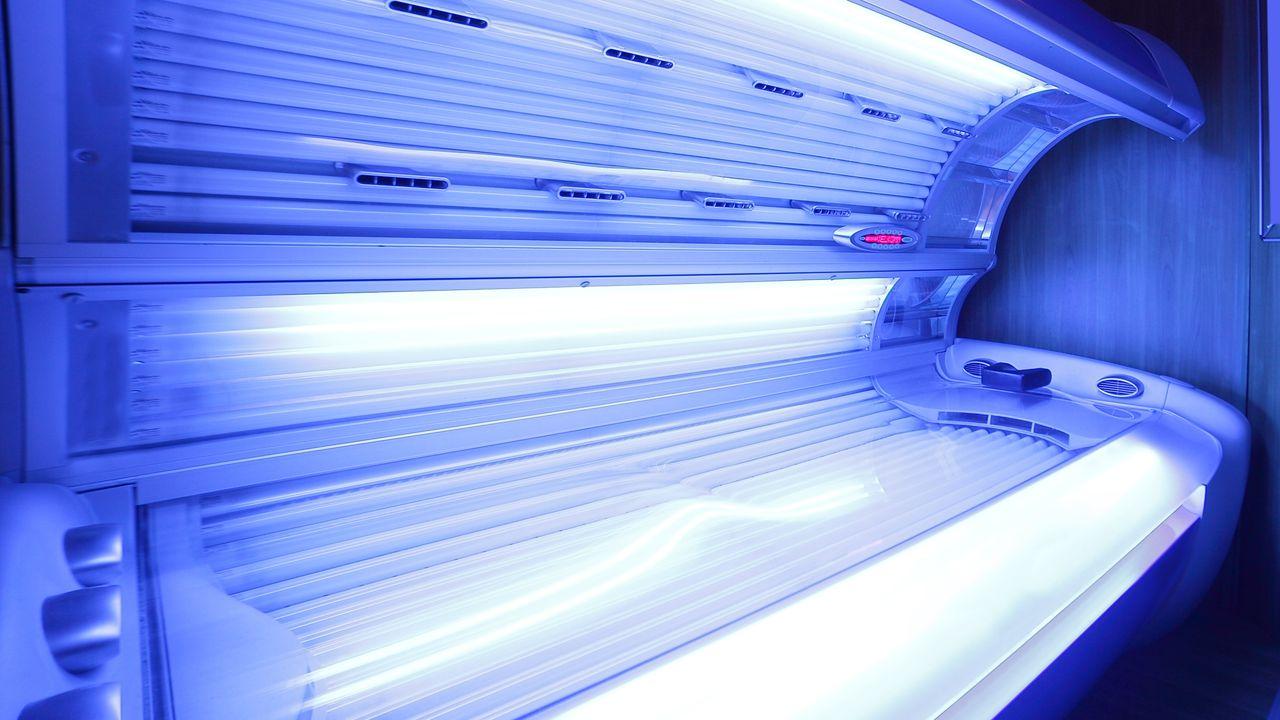
Researchers have shown at the molecular level that tanning bed use nearly triples the risk of melanoma, a type of skin cancer.
Melanoma is the deadliest skin cancer, causing approximately 11,000 deaths in the United States each year.It has been suggested for many years that exposure to the sun increases the risk of developing melanoma, but the biological mechanisms behind this relationship are not fully understood.Therefore, many tanning salons argue that their risks are no different from exposure to ultraviolet rays from sunlight.
However, a study published in the journal Science by a team of researchers from Northwestern University and the University of California, San Francisco refutes these claims with scientific evidence."We found DNA changes associated with the development of melanoma in the normal skin of people who use tanning beds, which have not been shown before," explains Pedram Gerami, a professor at the Feinberg School of Medicine of Northwestern University and an expert in skin cancer research.
After treating melanoma patients for the past 20 years, Gerami says he has noticed a stunning trend: most women under the age of 50 said a history of multiple melanoma that they had used tanning beds.
Nearly twice as many genetic mutations in skin cells
Gerami and his team compared the incidence and location of melanoma, as well as the proportion of patients with multiple melanomas, in 2,932 people who had previously used sunbeds and 2,925 people of the same age group who had never used them.The results showed that 5.1 percent of tan users had a previous diagnosis of melanoma, compared to 2.1 percent of non-tan users.
In addition, a significant relationship was observed between the use of tanning equipment and the incidence of melanoma even after adjustment for factors such as age, sex, tanning experience, and family history of the disease.Overall, those who used these machines had a 2.85 times greater risk of developing melanoma.
Most importantly, a large proportion of tanning bed users developed melanoma in areas such as the body and thighs, areas covered by clothing and less exposed to the sun.In 76.1% of users of heat machines, melanoma occurred in these areas, compared to 61.2% of patients who never used these machines.
The study also showed that those who used tanning beds were more likely to develop melanoma, a pattern similar to that seen in patients with melanoma.To investigate this issue in depth, researchers took skin samples from 11 patients with a long history of using tanning machines, nine patients who did not use tanning machines, and six donors and analyzed a total of 182 melanocyte lines.Melanocytes are cells responsible for the production of melanin, the color that determines the color of skin and hair, and if it develops into cancer, it can turn into melanomas.
The results showed that the skin cells of tanning bed users had twice as much genetic variation as those of the control group.Differences were especially noted in the tree area, which was less exposed to natural sunlight.Researchers believe this is because, unlike the sun, tanning beds irradiate large areas of the body with intense ultraviolet radiation, which encourages the accumulation of mutations in normally protected areas.
In addition, the percentage of cells with pathogenic mutations that can cause melanoma was also significantly higher among users of these machines.In this group, 23% of the cells had pathogenic mutations, compared to only 7.3% in the control group.Many of these mutations affected genes involved in signaling pathways that regulate cell growth, which enhances their oncogenic potential.
"As toxic as smoking"
The study is relevant because it allows us to understand at the molecular level the changes that tanning beds cause in skin cells and demonstrates that its effects go far beyond regular exposure to the sun.However, it has some limitations, such as the relatively small sample size, the fact that the majority of users analyzed were young women, and the lack of detailed information on the history of tanning bed use in the given tissue group.Additionally, the study did not track cellular changes over time, so further research is needed to assess long-term effects.
However, given the results, Gerami warns that the use of tanning equipment by minors should be strictly regulated.He points out that many of the patients he treats started taking them at a young age, when they didn't have enough information or standards to assess the risks.
The International Center for Research on Cancer (IARC), dependent on the World Health Organization (WHO), classifies tanning machines as group 1 carcinogens, the same category as tobacco and asbestos.However, these risks are not yet fully recognized by the public.This is why Gerami believes that tanning beds should be required to display clear warnings, similar to those that appear on cigarette packs about the risk of lung cancer.
For people who frequently use tanning machines at an early age, Gerami recommends a complete skin exam by a dermatologist and regular checkups.
This article was originally published on WIRED.Edited by Alondra Flores.